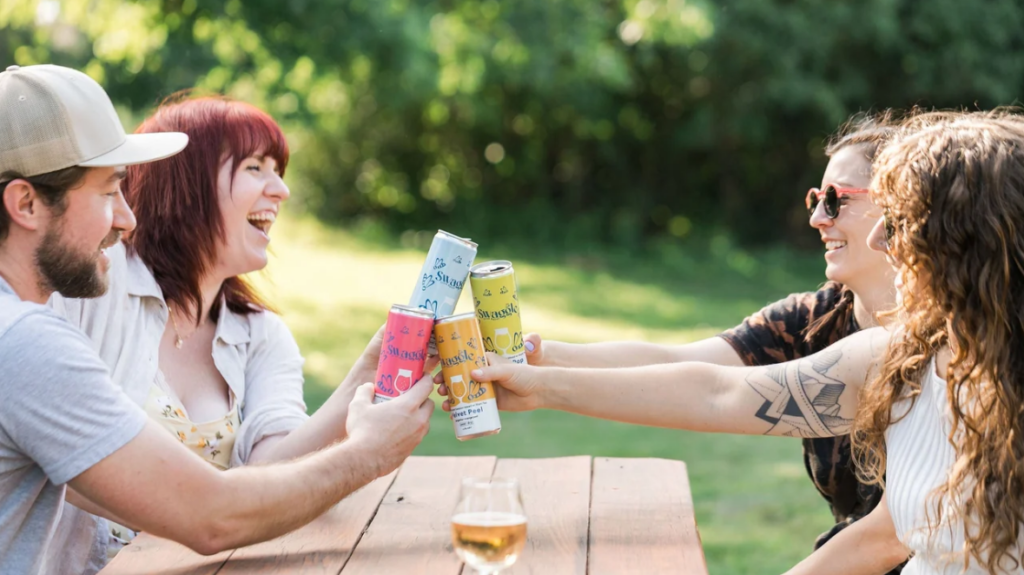
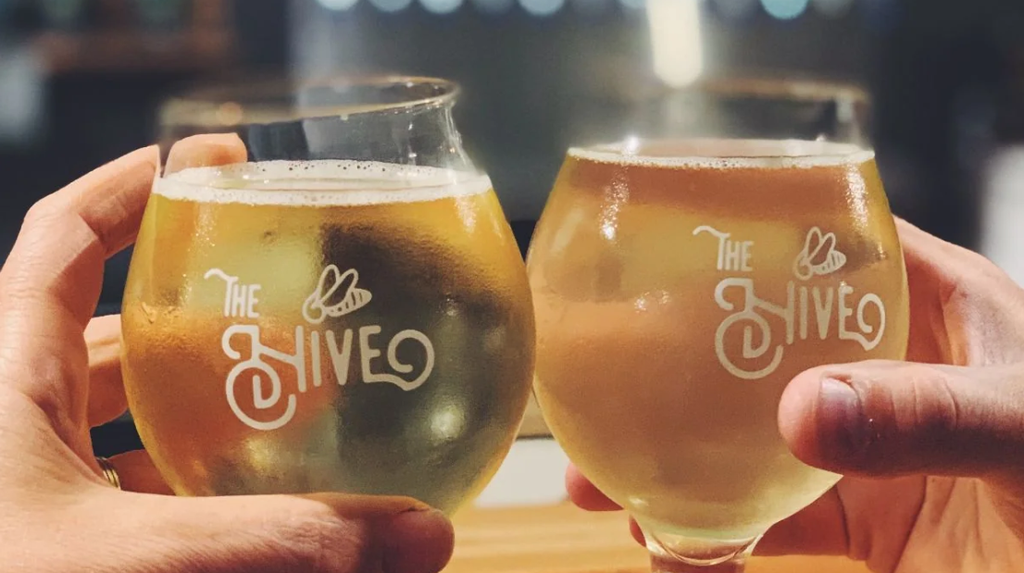
To customers visiting The Hive Taproom in East Troy, Wisconsin, the business might appear simple: a welcoming destination where guests can gather, enjoy locally crafted beverages, and experience the unique atmosphere of a honey-focused farm and taproom. Behind the scenes, however, owners Ayla and Tim Guild have spent years navigating the complexity of operating multiple interconnected businesses, each with its own opportunities, challenges, and future vision.
Today, one of the most visible examples of that evolution is the introduction of Swaggle, the new identity for the company’s honey-based beverage line. The products themselves remain rooted in the same commitment to quality ingredients and honey-forward flavor profiles. In a recent interview, Ayla Guild shared how the rebrand reflects her growing understanding of how different parts of the business serve different customers and markets. The Hive Taproom remains the place, while Swaggle represents the beverage brand. That distinction may seem straightforward, but it is the result of years of learning, planning, and refining the business model.
Building a Business Around Honey
The Guilds’ entrepreneurial journey began when Ayla, a large animal veterinarian by training, began apprenticing as a beekeeper. A self-proclaimed science nerd, she soon had her own bees and set about developing a process that would “honor the work of the bees.” The Guilds spotted the opportunity to brew beverages with honey they knew was raw, producing a “clean” beverage that leaves customers feeling good the next day.
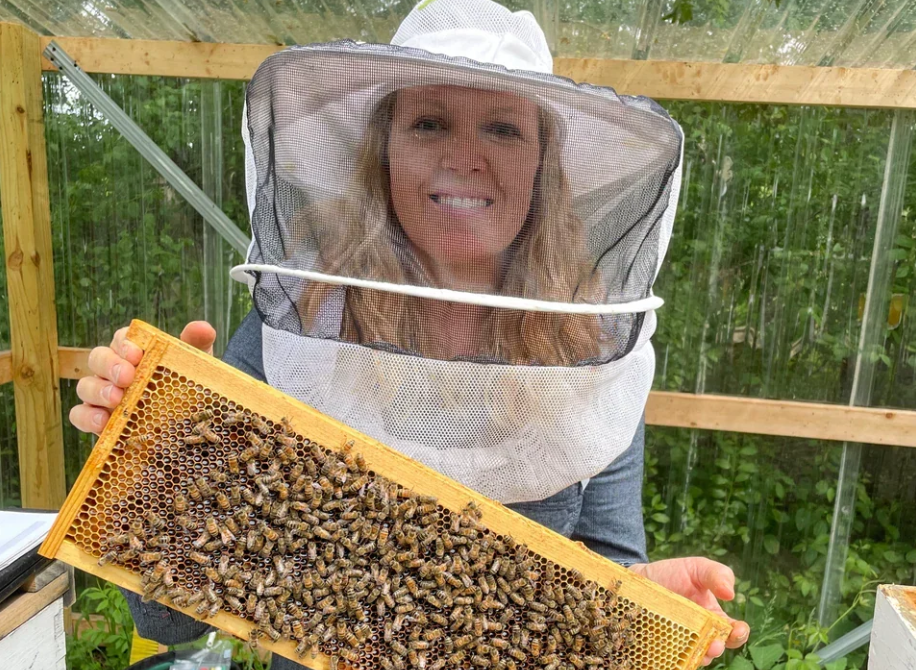
“A lot of our beverages start as tea,” explains Ayla. “We start with [Milwaukee-based] Rishi Tea, make it strong, cool it down, and when it’s below 100 degrees, add the raw honey.” Not exposing the honey to high heat preserves the probiotic, prebiotic, and antioxidant benefits, she explains. It adds work to the process — and keeps customers coming back.
Over time, the Guilds expanded beyond the farm, exploring ways to create value-added products that could showcase honey in new and unexpected ways. Those efforts eventually led to a line of beverages that combined clean ingredients, raw honey, and better-for-you positioning at a time when consumers were becoming increasingly interested in alternatives to traditional alcoholic beverages.
As demand grew, so did the business.
What started as honey production evolved into a collection of related ventures that included farming, beverage manufacturing, retail sales, and hospitality. The Hive Taproom opened in 2018 and became an important outlet for connecting customers directly with the brand while creating an experience visitors could not get from a store shelf. “The backbone of the taproom was to nurture human connection in a time when we all need more of that,” recalls Ayla.
“The backbone of the taproom is to nurture human connection in a time when we all need more of that,” recalls Ayla.
Yet success also created complexity.
Managing multiple business activities under a single umbrella required making decisions across production, staffing, marketing, bookkeeping, distribution, customer service, and strategic planning. Like many entrepreneurs, she found herself wearing nearly every hat.
The Challenge: Moving Beyond the Startup Mindset
For much of the company’s early growth, the Guilds approached decisions the way many founders do: by moving quickly, solving problems as they appeared, and pursuing promising opportunities. While that approach helped launch the business, they eventually realized that sustaining a mature company required a different perspective.
One of the most important lessons Anya learned was the distinction between being an entrepreneur and being a small business owner.
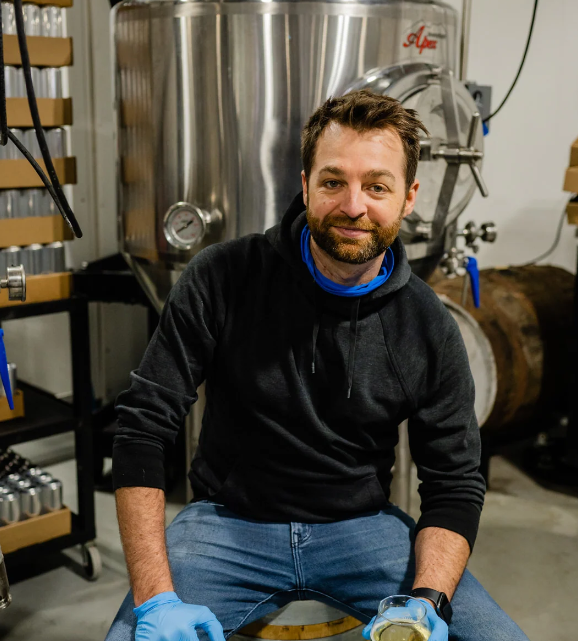
“An entrepreneur focuses on growth potential and coming up with new ideas,” Ayla said. “A small business owner has to focus on cash flow, operations, and making sure the business works every day.”
That realization became a major turning point.
As the business matured, Guild began focusing less on constantly creating new things and more on understanding what was already working. Which products were most profitable? Which activities created the greatest value? Which parts of the business aligned best with her strengths? Those questions increasingly guided her decision-making.
Learning to Trust the Numbers
Ayla credits several advisors and educational experiences with helping her develop a stronger financial lens.
One of the most influential relationships was with a trusted accountant who helped her better understand the financial performance of different business activities. Through that work, she gained confidence in separating business functions and evaluating them on their own merits rather than treating everything as a single operation.
The process reinforced an important lesson: good businesses are built not only on vision but also on disciplined financial management.
Rather than relying entirely on instinct, Guild learned to use data to guide decisions about growth, staffing, investments, and long-term strategy. She describes it as a shift from simply working hard to understanding which efforts produced meaningful results.
That change in mindset ultimately helped clarify the structure of the business itself and created a path toward more sustainable growth.
Finding the Right Resources
Ayla and Tim started working with FFI when Tim participated in the Fellows Program in 2021. Over the years, they’ve counted FFI’s Value-Added Producer Grant training, Financial Foundations for Farms, Scenario Planning, Food and Ag Capital Readiness, and Unlocking Capital for Beginning Farmers programs among the resources that have helped them.
Alyla says FFI’s practical approach to financial education has helped make complex concepts accessible and actionable. Beyond financial training, what’s resonated most has been the opportunity to apply concepts immediately.
“I learn by doing,” she explained. Rather than absorbing theory alone, she’s been able to put new tools into practice while actively making decisions for her business.
That practical approach paid off when FFI staff encouraged her to explore the USDA Value-Added Producer Grant program. This required taking a deeper look at how the various business activities fit together. During the application process, she determined that focusing grant activities on a more defined beverage offering would create the strongest path forward. The result was a successful grant award totaling approximately $210,000, helping support marketing and production efforts as the business expanded its reach.
Focusing on Strengths
As the organization grew, Ayla also became more intentional about how she spent her time. Over the years, she discovered that being capable of performing a role and enjoying a role are not necessarily the same thing.
“I’ve learned I can wear most of the hats, but certain hats are exhausting,” she said. “I needed to focus on what I’m good at and hire for the things I’m not good at.” That insight helped shape hiring decisions, operational systems, and leadership priorities.
While she enjoys connecting with customers, Ayla found that some of her greatest strengths lie in detailed operational work, financial management, and agricultural production. By recognizing those strengths and building systems around them, she has been able to create a more sustainable leadership approach for both herself and the business.
The same philosophy influenced the evolution of the company’s beverage brand.
Creating a distinct identity for Swaggle helps customers better understand the beverage products while allowing The Hive Taproom to continue serving as a destination and gathering place. Although some longtime customers are still learning that Swaggle is a rebrand rather than a completely new company, the transition is another step in clarifying and strengthening the business for the future.
Looking Ahead
Like many food and beverage businesses, the Hive Taproom continues to navigate seasonality, changing consumer preferences, and economic pressures. Yet Ayla approaches those challenges today with a very different perspective than she had when she first started.
The future includes continued refinement of the business structure and long-term planning for its next chapter. As part of that process, the Guilds are working through an internal transition of ownership and responsibilities, determining how the farm, beverage, and taproom operations will move forward in their next phase. For Ayla, the focus remains on creating a business that is financially sound, strategically aligned, and positioned for long-term success.
Her journey offers a lesson that many food entrepreneurs can relate to: growth is not always about adding more. Sometimes it means gaining clarity, focusing on strengths, and learning to trust the numbers.
That shift has transformed not only the business, but how its founders define success.